How Long Does It Take to Recover From an Ankle Sprain?
You rolled your ankle. It swelled up. Maybe you heard a pop. Now you’re asking the most common question we hear at Castlemore Advanced Therapeutics in Brampton:
“How long will this take to heal?”
An ankle sprain is one of the most common injuries, especially among active teens and adults. In fact, young people aged 12 to 19 have the highest likelihood of injury, with 27% experiencing injuries in a year, and two out of three of those injuries are linked to sports . Many of those? Ankle sprains.
The good news: most ankle sprains heal well.
The better news: the right ankle sprain treatment can significantly speed up your recovery and reduce your risk of re-injury.
Let’s break it down.
What Is an Ankle Sprain?
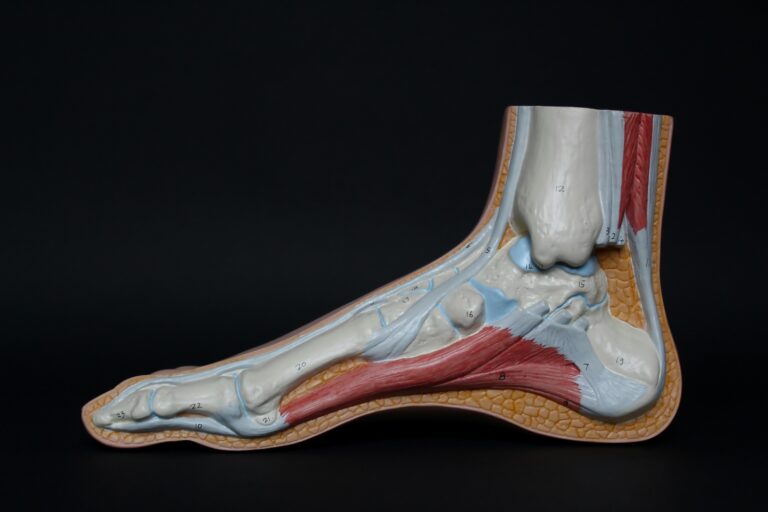
An ankle sprain happens when the ligaments that support your ankle are stretched or torn, usually from rolling your foot inward or outward.
Ligaments are strong bands of tissue that stabilize your joints. When they’re overstretched, they become painful, swollen, and weak.
Most sprains occur from:
- Sports like basketball, soccer, or volleyball
- Stepping awkwardly off a curb
- Slipping on ice (very relatable in Brampton winters)
- Uneven ground or sudden direction changes
Ankle Sprain Recovery Time: What to Expect
Recovery depends on the severity of the sprain. We typically classify them into three grades.
Grade 1 (Mild) Ankle Sprain
Recovery time: 1 to 3 weeks
- Mild stretching of the ligament
- Slight swelling
- Minimal instability
- Able to walk with some discomfort
With early ankle sprain treatment and guided exercises, you can often return to normal activity within a few weeks.
Grade 2 (Moderate) Ankle Sprain
Recovery time: 3 to 6 weeks
- Partial ligament tear
- Noticeable swelling and bruising
- Pain when walking
- Some joint instability
This level benefits greatly from physiotherapy. Controlled mobility, strengthening, and balance retraining are essential to avoid chronic instability.
Grade 3 (Severe) Ankle Sprain
Recovery time: 8 to 12+ weeks
- Complete ligament tear
- Significant swelling and bruising
- Difficulty bearing weight
- Feeling of ankle “giving out”
Severe sprains require structured rehabilitation. Some cases may need imaging or orthopedic consultation, but many recover well with progressive physiotherapy.
Why Some Ankle Sprains Take Longer to Heal
Here’s what slows recovery:
- Resting too long without rehab
- Returning to sport too early
- Skipping balance training
- Previous ankle sprains
- Not restoring full strength
Here’s something many people don’t realize: the swelling and pain may improve before your stability returns.
That’s where reinjury happens.
What Proper Ankle Sprain Treatment Looks Like
At Castlemore Advanced Therapeutics in Brampton, ankle sprain treatment follows a clear, evidence-based progression.
Phase 1: Calm It Down
- Swelling management
- Gentle mobility
- Taping if needed
- Pain reduction strategies
Phase 2: Restore Movement
- Ankle mobility drills
- Joint mobilizations
- Ankle ABCs
- Gradual weight bearing
Phase 3: Strength & Control
- Resistance band strengthening
- Calf raises
- Proprioception training
- Single leg balance work
Phase 4: Return to Sport or Activity
- Agility drills
- Direction changes
- Sport specific retraining
One key part of ankle sprain treatment that people often overlook? Balance training.
Research and clinical experience consistently show that proprioception work significantly reduces future sprains. As we tell patients:
“Balance training prevents future sprains.”
Can You Walk on a Sprained Ankle?
Sometimes yes. But walking on it doesn’t mean it’s healed.
If you can walk but still have:
- Swelling
- Bruising
- Instability
- Pain when turning
You likely still need guided rehab.
Pain is not the only measure of healing. Stability matters.
When Should You Start Physiotherapy for an Ankle Sprain?
Short answer: early.
In most cases, you can begin gentle physiotherapy within the first few days after injury. Early controlled movement:
- Reduces stiffness
- Speeds tissue healing
- Prevents muscle shutdown
- Improves long term outcomes
Waiting weeks before addressing strength and balance often leads to recurring sprains.
How to Prevent Chronic Ankle Instability
Repeated ankle sprains can lead to long term instability and even early joint degeneration.
To prevent that, focus on:
- Full range of motion restoration
- Calf and peroneal strengthening
- Single leg balance drills
- Gradual return to running or sport
- Wearing appropriate footwear
If you’ve sprained your ankle more than once, that’s your body asking for proper rehab.
When to Seek Help in Brampton
You should book an assessment at Castlemore Advanced Therapeutics if:
- Swelling lasts more than a few days
- You cannot bear weight
- Your ankle feels unstable
- You’ve had repeated sprains
- Pain persists beyond two weeks
Early ankle sprain treatment reduces recovery time and lowers your chance of long term problems.
The Bottom Line
So, how long does it take to recover from an ankle sprain?
- Mild: 1 to 3 weeks
- Moderate: 3 to 6 weeks
- Severe: 8 to 12+ weeks
But here’s the real answer:
It depends on whether you rehab it properly.
Your ankle is meant to move, stabilize, and absorb force. With the right physiotherapy plan, most ankle sprains recover fully and you can return to your normal routine with confidence.
If you’ve recently injured your ankle or you’re dealing with repeated sprains, our team at Castlemore Advanced Therapeutics in Brampton is here to guide you step by step.
Book an assessment today and let’s get you moving safely again.