Trigger Finger: Why Your Finger Gets Stuck and How to Fix It
Trying to straighten a finger only to feel it click, catch, or suddenly snap open can be both surprising and deeply uncomfortable. Many people notice these symptoms emerging gradually during everyday tasks like gripping a steering wheel, holding heavy tools, or typing for long hours. Trigger finger is a remarkably common condition and it is highly treatable especially when addressed early with specialized physiotherapy.
At Castlemore Advanced Therapeutics in Ontario we regularly help individuals restore smooth comfortable hand movement. Our goal is to provide evidence based solutions that allow you to avoid more invasive treatments or surgeries whenever possible. Understanding that your hand is a complex tool is the first step toward reclaiming its full function.
What Is Trigger Finger?
Trigger finger develops when a finger tendon becomes irritated and inflamed. Tendons are the tough cords that connect muscle to bone and they normally glide smoothly through a protective tunnel known as a tendon sheath. When inflammation builds the tendon struggles to slide through that tunnel and begins to catch on the pulleys that hold it in place.
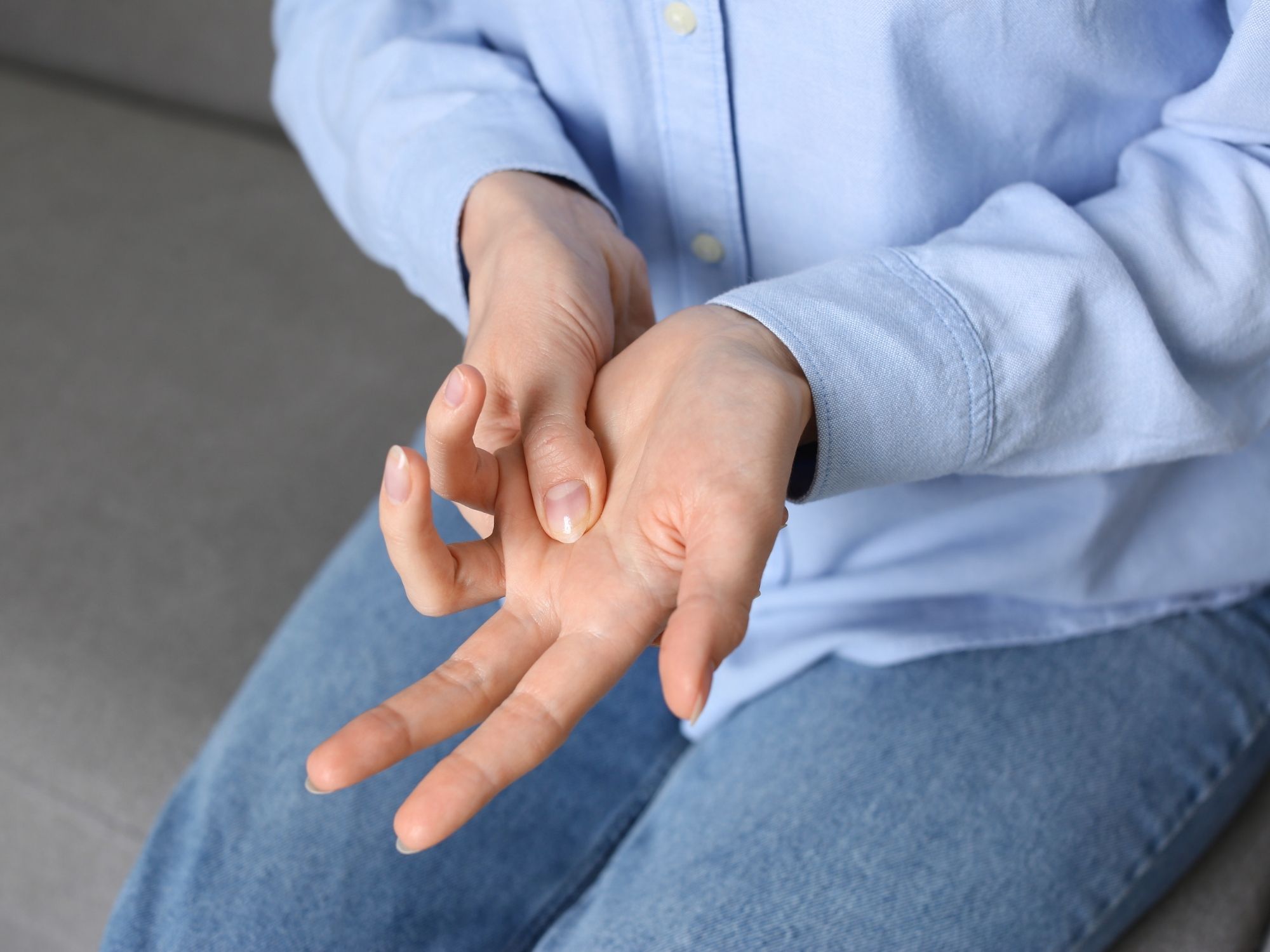
This mechanical mismatch is why your finger may lock in a bent position, click during movement, feel stiff in the morning, snap straight suddenly, or become painful at the base of the finger near the palm. Many people describe the sensation as a rope trying to pass through a ring that has become far too tight. It is a mechanical obstruction that requires a mechanical solution.
Why Finger Locking Happens
Understanding the root cause is the first step toward solving the problem. Trigger finger most often develops from repetitive gripping and cumulative overuse. Small repeated strains gradually irritate the tendon and create localized swelling.
You may be more likely to develop trigger finger if you perform repetitive hand tasks or use vibrating tools frequently. It is also common among those who work long hours on a computer, play racquet sports or golf, knit or garden regularly, or live with systemic conditions such as diabetes or rheumatoid arthritis. Repetition without adequate recovery is usually the driving factor that pushes the tendon past its threshold.
The Real Problem: Tendon Inflammation and Thickening
Trigger finger is primarily a tendon inflammation issue rather than a joint problem. As irritation builds the tendon becomes thicker and the pulley system that guides the tendon becomes tighter. Over time a small nodule or a bump of tissue may form on the tendon itself.
That catching sensation you feel occurs when this swollen tendon or nodule struggles to pass through the first pulley. Every time the finger catches it increases the inflammation further and creates a frustrating cycle that worsens without professional intervention. The more it clicks the more it swells and the more it swells the more it clicks.
How Physiotherapy Restores Smooth Movement
Hand physiotherapy focuses on calming this irritation and restoring normal tendon movement through a structured approach. Early treatment is typically gentle, targeted, and highly effective.
Tendon Gliding Exercises
These are often the first step in recovery. These specific movements improve circulation, reduce swelling, prevent the formation of adhesions, and restore smooth motion. Consistent movement helps the tendons recover their health and rebuild tolerance for daily tasks.
Manual Therapy
Our therapists use hands on techniques to release tight tissues around the tendon sheath. Soft tissue work and gentle joint mobilization create more physical space for the tendon to move freely and comfortably within the hand.
Custom Splinting
Temporary splinting may be recommended to give the tendon a much needed break from repetitive gripping. A small custom splint can reduce inflammation by preventing the painful locking action. This supports healing while the tendon recovers its original size.
Activity and Ergonomic Changes
Adjusting how you perform daily tasks is vital. Improving your grip techniques and modifying repetitive activities help prevent symptoms from returning once the tendon improves. We look at your workstation and your hobbies to ensure your recovery is permanent.
What Happens If You Ignore Trigger Finger?
Trigger finger rarely disappears on its own once the locking phase begins. Symptoms typically progress from mild stiffness to audible clicking and catching followed by significant pain and swelling. Eventually the finger may lock permanently in a bent position which leads to a loss of overall hand mobility and function. Early treatment is significantly faster and more successful than attempting to address advanced symptoms.
Simple Tips to Prevent Flare Ups
Daily habits can reduce strain and help keep inflammation at bay:
- Take regular breaks during repetitive hand tasks to let the tendons rest.
- Stretch your fingers and hands daily to maintain flexibility.
- Avoid prolonged tight gripping when possible especially with cold or vibrating tools.
Consistent small changes to how you use your hands can have a major impact on your long term hand health.
When to See a Physiotherapist
Consider seeking professional treatment if your finger locks or catches regularly, if pain develops at the base of the finger, or if morning stiffness lasts more than a few minutes. If symptoms interfere with your work or your favorite hobbies it is time for an assessment. Early care often leads to a faster recovery and prevents the need for more aggressive medical interventions.
The Takeaway
Trigger finger is a common and treatable condition that is very responsive to physiotherapy. With the right combination of tendon gliding, hands on treatment, temporary splinting, and activity modification you can restore smooth finger movement and prevent future flare ups.
If your finger is clicking, locking, or feeling stiff it is a sign that your body needs support. The team at Castlemore Advanced Therapeutics is ready to help you return to comfortable and pain free hand movement.