Compression Stocking Benefits: How This Simple Tool Supports Your Legs, Circulation & Daily Comfort
Persistent leg discomfort is incredibly common, and while chronic pain affects nearly one in five Canadian adults, many people don’t realize that circulation issues, like chronic venous insufficiency and varicose veins, are some of the leading causes of swelling and heaviness in the legs. International research shows that venous problems affect a large portion of the adult population, often developing silently long before noticeable symptoms appear.
Fortunately, compression stockings offer a simple and effective way to relieve discomfort and improve leg function. If you’re curious about the advantages of compression stockings, how they function, or if they’re suitable for you, this straightforward guide from Castlemore Advanced Therapeutics in Brampton, ON covers everything you need.
What Are Compression Stockings, and How Do They Work?
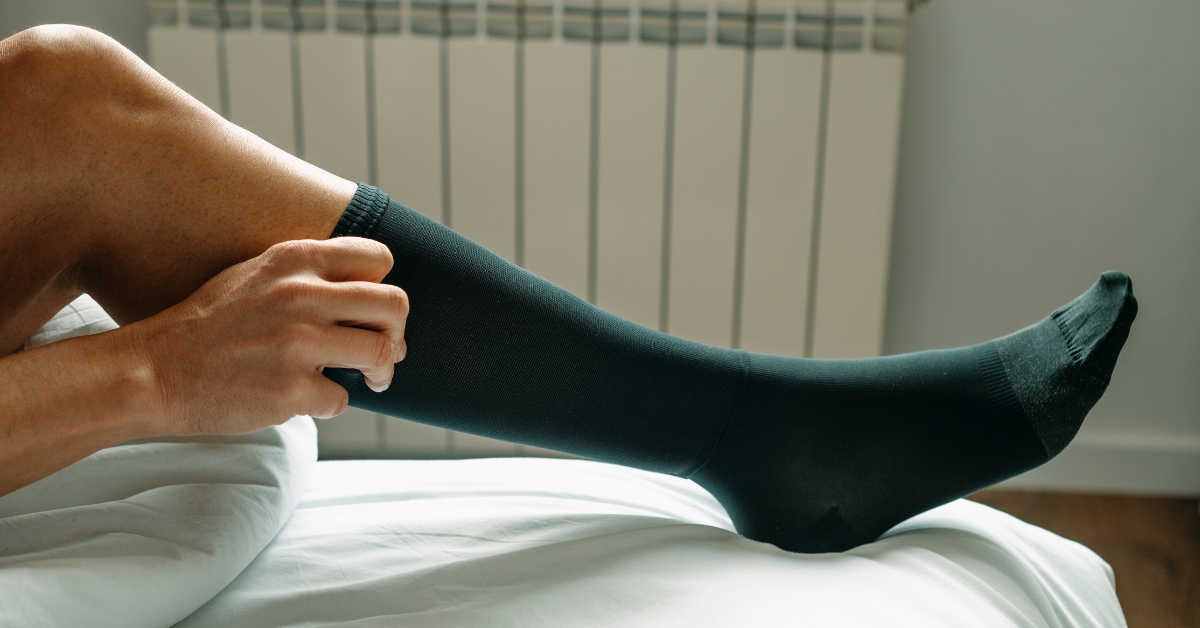
Think of compression stockings as a supportive hug for your legs. They apply controlled, graduated pressure—more at the ankle, less as they move upward—to help your veins move blood back toward the heart more efficiently and support your body’s natural circulation.
As circulation improves, symptoms such as swelling, heaviness, fatigue, and mild irritation from varicose veins often decrease. The stockings use this graduated pressure to keep fluid from building up in your legs and helps stop veins from stretching out when blood starts to back up.
Understanding Compression Levels: Finding the Right Fit
Not all compression stockings are created equal. They come in different compression levels, measured in millimeters of mercury (mmHg)—the same unit used to measure blood pressure. Understanding these levels helps you choose the right stockings for your specific needs.
8-15 mmHg (Mild Compression)
This is the lightest level of compression, perfect for:
- Preventing leg fatigue during long periods of sitting or standing
- Energizing tired, achy legs
- Maintaining healthy circulation during travel
- Early pregnancy when you want to prevent varicose veins before significant swelling begins
These are available over-the-counter and great for everyday use if you’re on your feet all day or want general leg support.
15-20 mmHg (Moderate Compression)
The most common entry-level medical compression, ideal for:
- Mild to moderate swelling
- Minor varicose and spider veins
- Preventing deep vein thrombosis (DVT) during long flights or car trips
- Pregnancy-related leg discomfort
- Daily use for people in healthcare, retail, or other professions requiring prolonged standing
This level is typically recommended if you’ve never worn compression stockings before and can be purchased without a prescription.
20-40 mmHg (Firm Compression – Medical Class)
This level typically requires consultation with a healthcare provider to ensure proper fit and appropriate use, including:
- Moderate to severe varicose veins
- Moderate to severe swelling (edema)
- Post-surgical recovery for certain procedures
- Managing chronic venous insufficiency
- Significant lymphedema
- DVT management
The key is choosing the lowest effective level that manages your symptoms comfortably. Proper fit and appropriate wear matter more than compression strength alone.
The Top Benefits of Compression Stockings
Here are the most important benefits of compression stockings.
1. They Improve Circulation
Poor circulation can cause swelling, fatigue, and a “heavy” feeling in your legs. Compression stockings help by:
- Supporting vein function and valve efficiency
- Encouraging upward blood flow against gravity
- Preventing blood from pooling in your lower legs
This is one of the biggest compression stocking benefits, especially for people who spend long days on their feet.
2. They Reduce Swelling (Edema)
If you’ve noticed sock marks at the end of the day, you’re likely experiencing some level of edema—fluid that collects in your lower legs. Compression stockings provide gentle, graduated pressure that helps push excess fluid back into circulation so it can be cleared naturally.
This is especially helpful for:
- Long periods of sitting (desk jobs, driving)
- Long periods of standing (retail, healthcare, manufacturing)
- Pregnancy-related fluid retention
- Travel days
- Post-surgical swelling after certain procedures
3. They Help Relieve Leg Pain and Fatigue
Leg soreness and heaviness don’t happen “just because.” They’re often a sign your veins are damaged or having difficulty sending blood back to the heart. Compression stockings help reduce the workload on your veins, which means less fatigue and more comfort throughout the day.
For many people, this is the benefit they feel the quickest—noticeably less achiness by the end of their shift or workday.
4. They Support Varicose Veins & Venous Insufficiency
Compression stockings are one of the most widely recommended conservative treatments for vein-related symptoms because they:
- Reduce discomfort from existing varicose veins
- Prevent veins from enlarging further
- Support long-term vein function and valve health
- Help maintain circulation efficiency
They’re not a cure, but they’re one of the most effective day-to-day management tools available—simple, safe, and non-invasive.
5. They Support Recovery From Specific Injuries
Compression stockings can be helpful for certain acute injuries where managing swelling is especially important. They’re most beneficial for conditions like:
- Acute ankle sprains with significant swelling
- Post-surgical recovery after certain leg or foot procedures where controlling edema—which means swelling caused by fluid buildup—is recommended
- Calf strains that come with inflammation
When used appropriately for injuries involving swelling, compression stockings are often combined with physiotherapy, exercises to improve blood flow, activities to improve movement, and hands-on therapy for a full recovery.
Are Compression Stockings Right for You?
Most people can safely use compression stockings, but they vary in compression level, fit, height and material. At Castlemore Advanced Therapeutics, we help you determine the right type based on your symptoms, lifestyle, and circulation needs.
You may be a good candidate if you experience:
- Achy or heavy legs
- Daily swelling in feet or ankles
- Fatigue during prolonged standing or sitting
- Mild to moderate varicose veins
- Circulation concerns
- Long travel days regularly
- Pregnancy-related leg discomfort
Important contraindications: Compression stockings aren’t appropriate for everyone. You should avoid them or consult a doctor first if you have:
- Peripheral arterial disease or poor arterial circulation
- Severe peripheral neuropathy with loss of sensation
- Skin infections or dermatitis on the legs
- Congestive heart failure (without medical supervision)
- Significant leg deformity making proper fit impossible
If you’re unsure, our physiotherapists can assess your legs, circulation, and movement patterns to help you choose safely and effectively.
Compression Stockings and Physiotherapy
Compression stockings work best when combined with two other strategies:
- Elevating your legs periodically throughout the day – This uses gravity to help drain fluid back toward your heart
- Regular leg exercise and movement – The action of your leg muscles contracting is one of the main ways blood returns from your legs to your heart (this is called the “muscle pump mechanism”)
Compression stockings support your circulation, but they’re not a substitute for movement. Walking, calf raises, ankle pumps, and simply changing positions regularly all help activate your muscle pump, which works together with the compression to keep fluid moving efficiently. The combination of compression plus movement produces better results than either strategy alone.
Your Takeaway
Compression stockings aren’t just for long flights or hospital visits—they’re a practical, everyday tool with real benefits when used appropriately. Whether you’re managing swelling, preventing discomfort, improving circulation, or supporting recovery from specific injuries, the benefits of compression stockings are accessible and easy to incorporate into your daily routine.
The key is understanding which conditions benefit from compression support and which require different treatment approaches. If you’re in Brampton, ON, and want to see how compression stockings might fit into your health or recovery plan, we’re here to help you make an informed decision based on your specific condition and goals.
Ready to feel the difference? Book an appointment with Castlemore Advanced Therapeutics, and let’s support your legs, circulation, and daily comfort—one step at a time.
Resources:
- Schopflocher, D., Taenzer, P., & Jovey, R. (2011). The prevalence of chronic pain in Canada. Pain research & management, 16(6), 445–450. https://doi.org/10.1155/2011/876306
Beebe-Dimmer, J. L., Pfeifer, J. R., Engle, J. S., & Schottenfeld, D. (2005). The epidemiology of chronic venous insufficiency and varicose veins. Annals of epidemiology, 15(3), 175–184. https://doi.org/10.1016/j.annepidem.2004.05.015