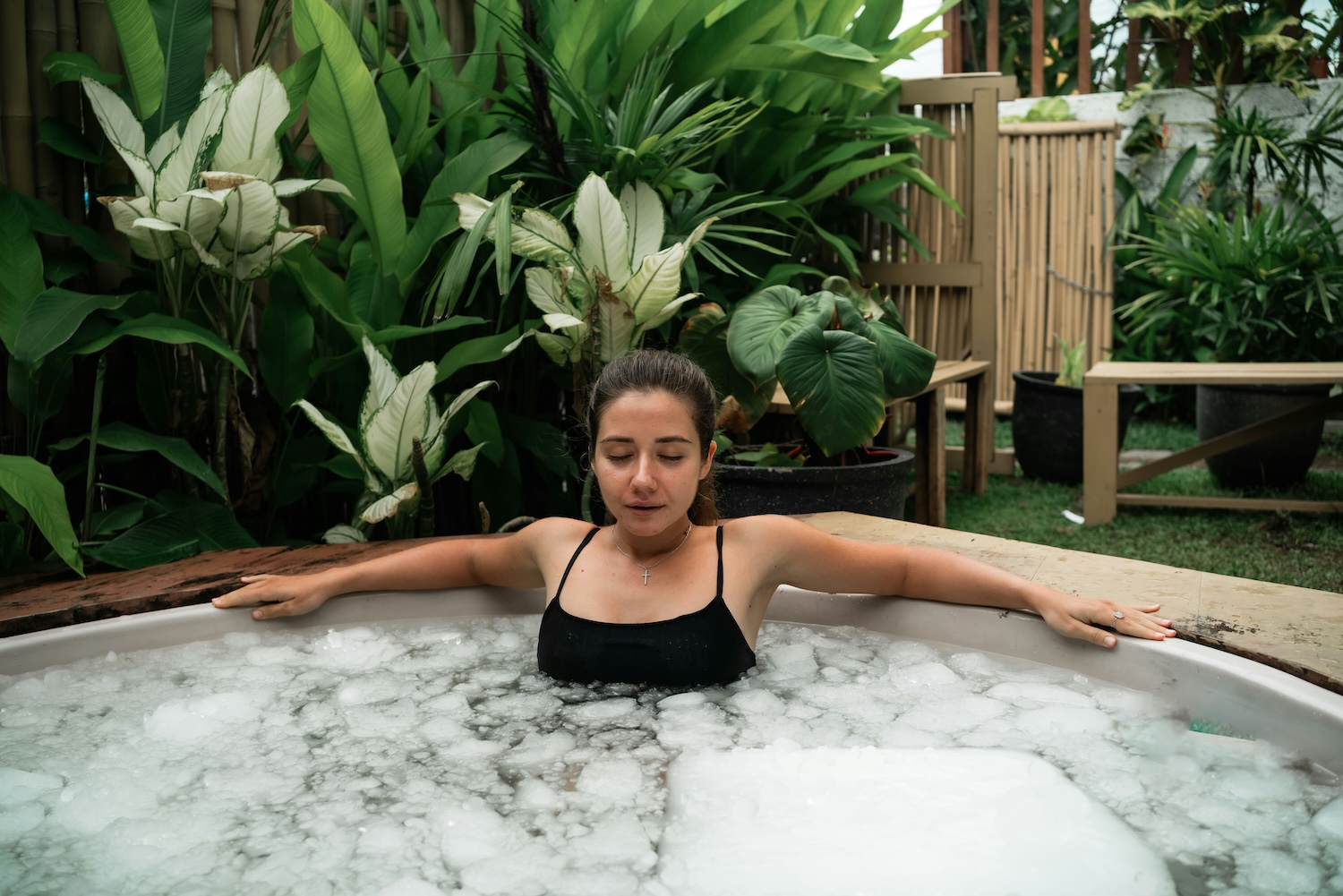
Cold Plunging for the Nervous System
Scroll through social media for more than five minutes, and you are bound to see someone submerging themselves into an icy tub of water. Cold plunging has taken the internet by storm, praised by influencers and athletes alike as a miracle cure for everything from muscle soreness to mental brain fog.
But when a health practice goes viral, it is important to separate the passing trend from true, evidence-based therapy. At Castlemore Advanced Therapeutics in Ontario, we evaluate therapeutic recovery modalities through a clinical lens. Behind the social media aesthetics lies a fascinating physiological process: deliberate cold exposure is a powerful tool for training, regulating, and strengthening your central nervous system.
The Initial Shock: A Controlled Stress Test
The moment your skin hits freezing water, your body enters an acute survival state. Your sympathetic nervous system, which controls your fight-or-flight response, instantly fires up.
Your brain perceives the sudden temperature drop as an immediate physical threat. In response, it floods your bloodstream with stress hormones like adrenaline, cortisol, and noradrenaline. Your heart rate spikes, your blood vessels constrict to keep your core warm, and your instinct is to gasp and climb out immediately.
The real benefit of cold plunging is not the cold itself; it is your conscious reaction to the shock. By deliberately staying in the water and forcing your breath to slow down, you teach your brain a vital skill: how to stay calm in the middle of physical panic. Over time, this practice builds true, real-world stress resilience.
Easing Into Calm: Stimulating the Vagus Nerve
When you successfully manage that initial cold shock, your body undergoes a transition. As you settle into a steady breathing pattern, you stimulate the vagus nerve, the primary highway of your parasympathetic nervous system, which controls your rest-and-digest response.
The vagus nerve passes through your neck and chest, directly interacting with your heart and lungs. Cold exposure activates this nerve pathway, sending a physical command to slow your heart rate, lower your blood pressure, and suppress systemic inflammation.
By repeatedly exposing yourself to a controlled stressor like cold water, you increase your vagal tone. A higher vagal tone means your body can pivot from a state of high anxiety and stress back to a state of calm equilibrium much faster. In today’s fast-paced world, where chronic daily stress keeps many of us locked in a permanent fight-or-flight state, this nervous system flexibility is an absolute game changer.
The Chemistry of Clarity: Dopamine and Mood Regulation
The neurological benefits of cold exposure extend far beyond stress regulation. Clinical studies show that immersing your body in cold water triggers a massive, sustained release of dopamine, the neurotransmitter responsible for motivation, focus, and pleasure.
Unlike the temporary dopamine spikes you get from checking your phone or eating sugar, the chemical release from a cold plunge is unique. Your dopamine levels can elevate up to 250 percent above baseline during a plunge, and this increase does not crash afterward. Instead, it tapers off incredibly slowly over several hours. This sustained release is the precise reason why people experience a lasting sense of mental clarity, elevated mood, and vibrant energy for the rest of the day.
Safe Practices: How to Start Without the Extremes
You do not need to sit in an ice bath for twenty minutes to achieve these neurological benefits. In fact, overdoing it can overtax your system and cause more harm than good. Clinical evidence suggests that consistency matters far more than extreme temperatures.
To build a safe, sustainable cold exposure habit, consider the following parameters:
- The Temperature: Aim for water between 10 and 15 degrees Celsius. It should feel uncomfortably cold, but not painfully freezing.
- The Duration: Two to three minutes is all it takes to trigger the full vagal nerve response and dopamine release. Anything beyond five minutes increases the risk of hypothermia without adding extra health benefits.
- The Frequency: Aim for a total of eleven minutes spread across a full week, divided into short sessions of two or three minutes each.
Your Recovery Strategy in Ontario
Cold plunging is a phenomenal tool, but it works best when integrated into a comprehensive, professional recovery strategy. At Castlemore Advanced Therapeutics, we help you understand how your nervous system behaves, pairing active manual therapies with lifestyle habits to optimize your physical performance and long-term health.
Whether you are recovering from a chronic injury, managing high operational stress, or looking to maximize your athletic performance, our evidence-informed team is here to guide you.
Contact Castlemore Advanced Therapeutics today to build an individualized recovery plan that respects your unique physiology and helps you move beyond the trends toward lasting health.